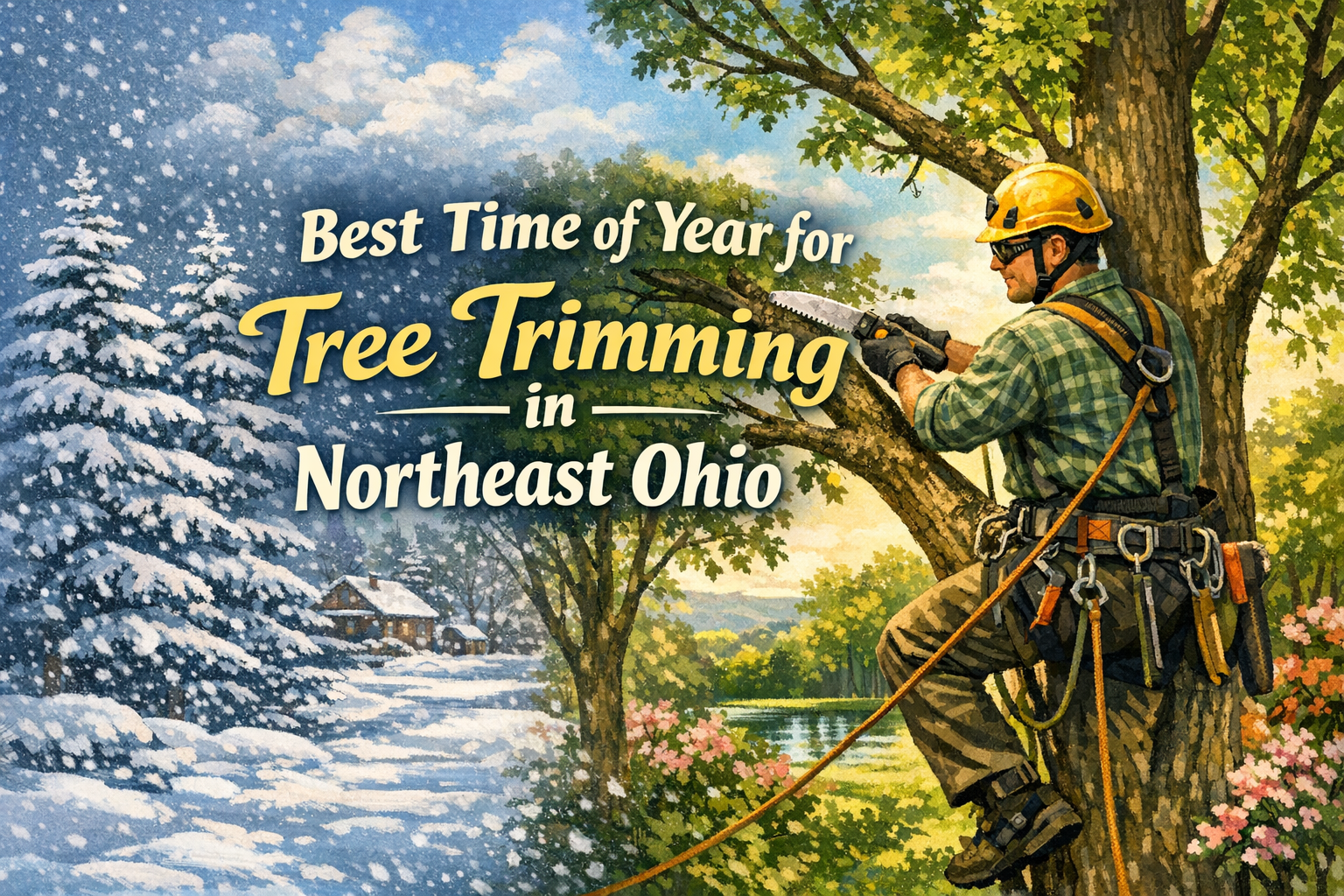
Best Time of Year for Tree Trimming in Northeast Ohio
Northeast Ohio weather: a symphony of sunshine, snow squalls, and the occasional rogue tornado. It’s a landscape of extremes, and that means your trimming schedule needs to be as adaptable as the plants themselves.
Trimming isn’t just a weekend chore; it’s an art, a science, and a conversation with your plants. Homeowners who want consistent results often rely on tree trimming and pruning services in Brecksville, OH. Think of it as plant acupuncture: precise cuts, clean tools, and a deep understanding of your plant’s inherent personality. Every snip should be deliberate, a mindful act contributing to the plant’s vigor and beauty.
But in Northeast Ohio, “when” is just as crucial as “how” tree trimming and pruning services in Brecksville, OH. Our climate – the capricious lake effect snow, the polar temperature swings, that slow creep into USDA Zones 6a/6b – throws a curveball into traditional pruning wisdom. It’s a region where microclimates reign, and your neighbor’s experience in Bay Village might not translate to your backyard in Bainbridge.
II. The Seasonal Strategy: When to Grab Those Pruners
A. Winter Wonderland Work (December – March): The Dormant Power Play
Why it’s King: Winter is pruning prime time. Plants are in their slumber, their metabolic engines idling. There are no leaves obscuring structural flaws, no active growth to disrupt. It’s the arborist’s blank canvas, the ideal moment for major reshaping.
Who Gets the Winter Trim?
- Deciduous Trees: This is when the big projects happen – oaks, maples, and other deciduous giants often require tree removal in Brecksville, OH when structural risks are present. But tread carefully with oaks and be aware of oak wilt.
- Summer Bloomers: Hydrangeas and butterfly bushes, those divas of summer color, need their winter prep to unleash their floral fireworks.
- Evergreens & Overgrown Shrubs: They may look stoic under a blanket of snow, but winter is the season to give them a fresh start.
- Fruit Trees: Winter pruning sets the stage for a bountiful harvest, optimizing sunlight and airflow.
B. Spring Awakening (March – May): Fresh Starts and Gentle Nudges
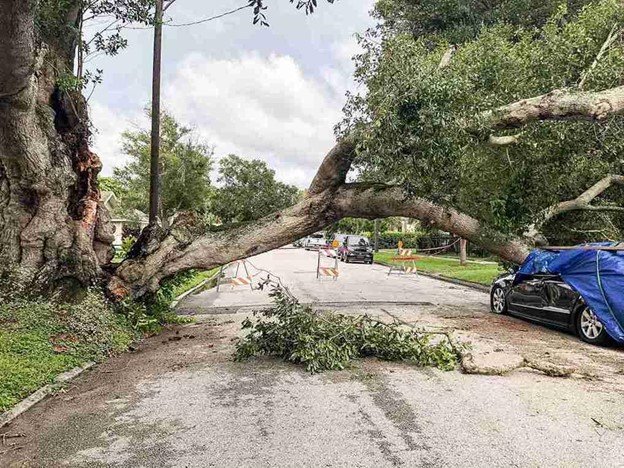
- First Aid: Spring is triage time. Assess the winter’s toll: broken branches, frostbite, and any visible damage often require emergency tree service in Brecksville to prevent further hazards.
- The Golden Rule for Spring Bloomers: This is non-negotiable. Prune AFTER they finish flowering. Lilacs and forsythia offer their fleeting beauty, then release their branches to your careful pruning. Cutting them before they bloom is horticultural sacrilege.
- Evergreens: A light touch is key. Once new growth emerges, a gentle shaping is all that’s needed.
C. Summer Sculpting (June – August): Light Touches in the Heat
- Maintenance Mode: Summer pruning is about refinement, not revolution. Light shaping, removing stray shoots, and maintaining an aesthetic equilibrium.
- Encourage More Blooms: Deadheading is your mantra. Snip off spent flowers to encourage a second flush of blooms.
- Summer Sins: Avoid heavy pruning during heatwaves or droughts. Plants are stressed enough; don’t compound the problem.
D. Fall’s Fuzzy Feelings (September – November): The Great Debate
- The Controversy: Fall pruning is a tightrope walk. New growth is vulnerable to winter’s icy grip, and wound healing slows as temperatures plummet.
- What’s Okay: Light clean-up is acceptable, especially in early fall. Remove dead or diseased branches, but resist the urge for major alterations—especially after storms, when storm damage cleanup services may be necessary.
- Perennials & Ornamental Grasses: Now is the time to decide whether to cut back perennials and ornamental grasses or leave them for winter interest.
III. Beyond the Calendar: Pruning Principles & Evolution
An arborist’s expertise is not simply about wielding pruners; it’s about understanding the underlying principles that guide each cut. Thinning cuts open the canopy to sunlight and air, shaping cuts direct growth, rejuvenation cuts revitalize aging plants, crown work addresses structural issues, and deadwood removal eliminates potential hazards.
We’ve come a long way from the days of haphazardly hacking at trees. Modern arboriculture is rooted in scientific understanding of plant physiology, recognizing that every cut has consequences.
IV. Pruning Pitfalls & Hot Debates in NEO (The “Uh-Oh” Section)
A. The Unforgivable Sin: Tree Topping!
Tree topping is an act of arboreal vandalism. It inflicts permanent damage, triggers weak growth, creates disease entry points, and diminishes your property value.
B. The Fall Pruning Fuss:
Heavy cuts before winter are risky. The potential for winter damage outweighs the benefits.
C. DIY vs. Pro: When to Call in the Experts
The line between homeowner tasks and professional expertise is drawn by safety, complexity, tree health, and legal liabilities. Don’t become a statistic of Ohio DIY mishaps.
D. Neighborly Nuisances & HOA Hurdles:
Navigating property lines and community regulations is essential. Before you start pruning, understand your responsibilities and potential conflicts.
E. Disease Specifics:
Timing is everything when it comes to preventing diseases like oak wilt. Pruning oaks at the wrong time can be a death sentence.
F. Cleveland’s Canopy Crisis:
Improper pruning contributes to tree loss, undermining efforts to expand and protect our urban forest.
V. Future Forecast: Pruning in a Changing Climate
Northeast Ohio is on the front lines of climate change. Warmer winters, heavier rains, and more extreme storms are becoming the “new normal”.
This climatic shift has profound implications for our trees. Expect faster growth spurts followed by periods of intense stress, novel pest challenges, and even a gradual shift in which tree species thrive in our region.
We must adapt our pruning strategies. Expect more dynamic, perhaps more frequent, trimming schedules, proactive hazard removal, and a focus on choosing climate-resilient plants.
The future of tree care is being shaped by technology, eco-friendly practices, and advanced tree biology research. Organizations like the OSU Extension and Holden Forests & Gardens are at the forefront of this evolution, pioneering new approaches to urban forestry.
VI. Conclusion: Your Green Thumb, Powered by Knowledge
Pruning in Northeast Ohio is an ongoing education. It demands an understanding of the seasons, a recognition of common mistakes, and a forward-looking perspective on a changing climate. Get informed, invest in the right tools, and don’t hesitate to consult professional tree services in Brecksville, OH.