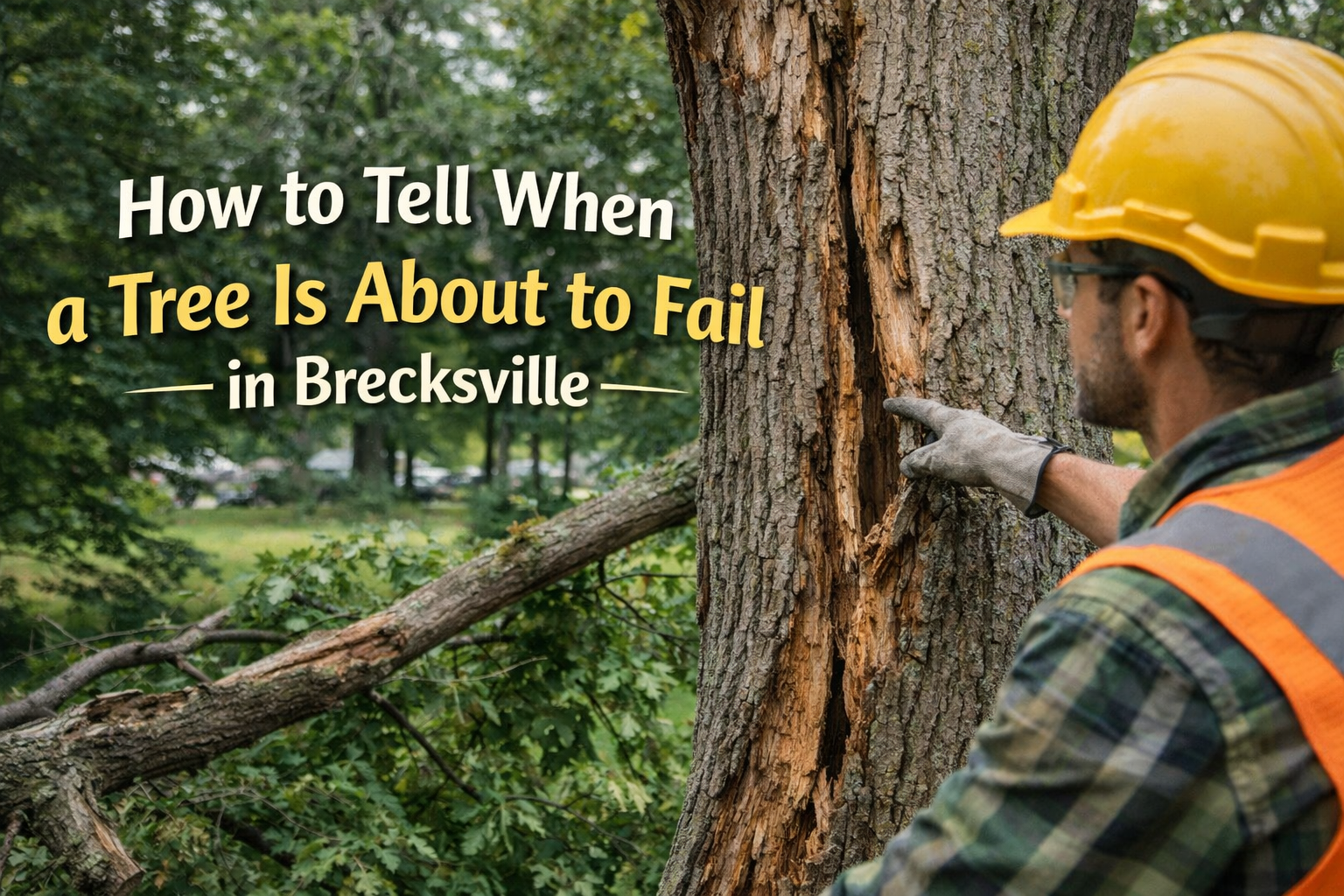
How to Tell When a Tree Is About to Fail in Brecksville
I. Introduction: The Importance and Complexity of Tree Trimming
- Trees are long-lived property assets offering aesthetic and environmental benefits.
- Improper timing of tree trimming can lead to stressed trees or costly problems.
- Homeowners frequently seek advice on tree trimming timing and techniques, often in online forums.
- This summary focuses on the optimal timing for tree trimming in Northeast Ohio, incorporating expert advice and local Reddit community experiences.
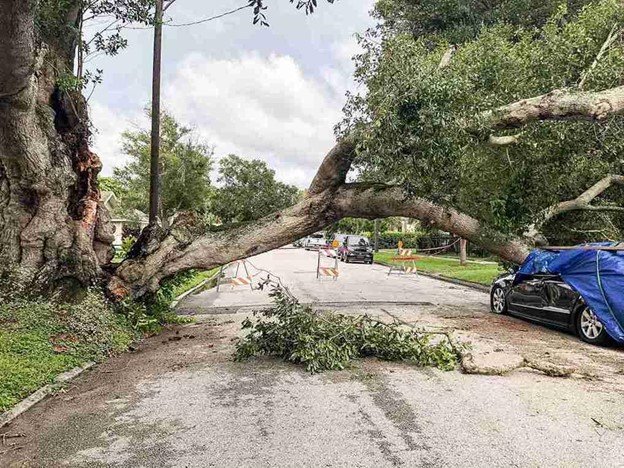
If you’re concerned about a tree on your property, professional inspections and timely action can prevent costly damage.
II. The Wisdom of Winter: Why Dormancy is Prime Pruning Time
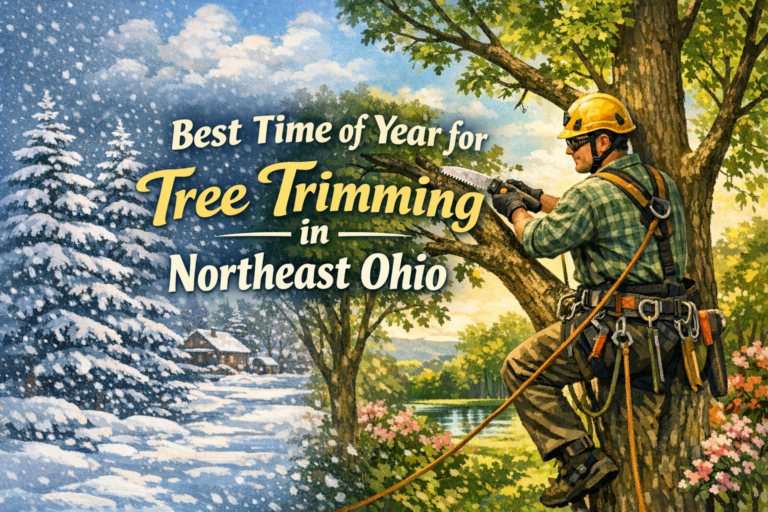
- Expert Consensus: Late winter to early spring, when trees are dormant, is the optimal pruning period.
- Reasons for Dormant Pruning:
- Less Stress, Better Healing: Dormant trees are not actively growing, allowing them to allocate energy to healing pruning wounds more effectively. This is a widely accepted principle across various subreddits.
- Improved Visibility: The absence of leaves provides a clearer view of the tree’s structure, enabling more precise and effective branch removal.
- Reduced Disease Risk: Pruning during dormancy minimizes the risk of disease transmission by insects or fungal spores active during the growing season. Proper pruning timing also reduces the likelihood of sudden limb or tree failure during storms.
- Wildlife Protection: Late winter pruning avoids disturbing nesting birds during their breeding season.
- Timeless Principles: These practices are based on long-standing arboricultural knowledge, respecting the natural cycles of trees.
- Reddit’s Role: Online communities like Reddit validate conventional wisdom, reinforcing the importance of dormancy for tree health and longevity through peer-reviewed discussions.
III. Species-Specific Pruning Guidelines for Northeast Ohio
While dormancy is a general rule, specific tree types require tailored approaches:
Oaks:
- Critical Rule: Prune ONLY from November through February to prevent oak wilt disease. Avoid pruning from April through October.
- Emergency Pruning: If pruning outside this window is unavoidable, immediately paint wounds with a suitable tree wound dressing to minimize infection risk.
Maples:
- Optimal Timing: Late winter to early spring (February-March).
- Sap Bleeding: Pruning too early in spring can cause sap to “bleed,” which is generally not harmful but can be unsightly.
Flowering Trees:
- Spring-bloomers (e.g., Lilac, Dogwood): Prune immediately after flowering to preserve next year’s blooms. Late winter pruning removes flower buds.
- Summer-bloomers (e.g., Hydrangea, Rose of Sharon): Prune in late winter/early spring, as they bloom on new wood.
Evergreens & Fruit Trees:
- Generally lean towards the dormant season or light trims after new growth.
- Homeowners frequently seek specific advice for fruit trees (e.g., for fruit production) and unique evergreens (e.g., for shaping).
- FAQ: Missing the Ideal Window: If pruning outside the recommended timeframe is necessary, prioritize removing dead, damaged, or diseased branches. For oaks, wound painting is essential.
IV. Reddit’s Real-World Insights: Local Experiences and Shared Struggles
Analysis of Reddit discussions reveals practical advice, common pitfalls, and homeowner frustrations:
- Professional vs. DIY:
- Strong Recommendation: For any task larger than small saplings, “Hire a pro!” is the overwhelming sentiment.
- Rationale: The risks of injury, property damage, and improper cuts from DIY attempts on larger trees outweigh potential cost savings.
- Common Advice: “Small tree? Maybe. Tall tree, near house/power lines? No way, call an arborist!” Many users share cautionary tales of DIY failures.
- Cost and Scheduling:
- Cost Concern: Homeowners frequently express sticker shock regarding tree trimming costs.
- Cost-Saving Tip: Obtain at least three quotes to ensure fair pricing.
- “January Deal”: Scheduling work in January, a typically slower period for tree businesses, may lead to lower rates.
- “Tree Guy” vs. “Certified Arborist“:
- Distinction: A significant concern is the difference between unqualified “tree guys” and ISA-certified arborists.
- Negative Experiences: Many Redditors report negative outcomes from unqualified trimmers who damage trees.
- Preference: There is a strong recommendation for certified arborists due to their expertise in tree biology and proper techniques.
- Silent Pain Point: A recurring anxiety is the difficulty in finding trustworthy and qualified tree care professionals, often relying on word-of-mouth.
V. Trimming Terrors: Controversies and “Invisible Struggles”
Reddit discussions highlight problematic practices and common homeowner challenges:
- The Topping Taboo:
- Controversy: Topping (indiscriminate cutting to stubs) is universally condemned by arborists as severely damaging and life-shortening for trees.
- Prevalence: Despite condemnation, it is frequently reported as being performed by less reputable companies.
- Long-Term Regret: Homeowners often realize the damage years later, seeking advice to save “mutilated” trees.
- Utility Line Trimming:
- Frustration: Homeowners express anger over aggressive and aesthetically unpleasing trimming by utility contractors focused solely on line clearance.
- Powerlessness: A sense of helplessness is common as utility companies’ broad-stroke policies often override homeowner concerns.
- Neighborly Disputes (r/treelaw):
- Common Issues: Disputes arise over overhanging branches, trimming responsibilities, and costs.
- Legal Principle: Neighbors generally have the right to trim branches overhanging their property, but they must not damage the tree. Communication and agreements are crucial.
VI. Future Trends in Tree Care
The field of tree care is evolving:
- Climate Change & Resilience: Arborists are increasingly discussing the impact of Northeast Ohio’s changing climate on tree health and species selection, favoring climate-resilient landscaping.
- Educated Consumers: Increased access to information (like Reddit) is leading to more informed homeowners demanding higher standards from tree care professionals.
- Business Diversification: Tree care businesses may diversify services (e.g., landscaping, mulching) to remain viable during economic downturns, as homeowners may prioritize hazard removal over aesthetic trimming.
VII. Conclusion: Smart Trimming and Professional Assistance
- Optimal Timing: For most deciduous trees in Northeast Ohio, late winter to early spring is ideal. Oaks require strict adherence to the November-February window.
- Key Takeaway: For significant tree work, hire certified arborists.
- Action Plan:
- Seek ISA-certified professionals.
- Inquire about their experience and approach.
- Obtain multiple quotes.
- Avoid anyone recommending “topping.”
- Consider winter scheduling for potential cost savings.
- Informed homeowners contribute to healthier local landscapes and benefit their trees and long-term finances.