Why Regular Tree Maintenance Saves Homeowners Money in the Long Run
Let’s get down to brass tacks. How exactly do these woody wonders fatten your wallet? The benefits are multifaceted, operating on several key fronts.
Property Value Power-Up: Let’s start with the big one. Healthy, mature trees are the ultimate curb appeal booster! They frame your home, adding character and a sense of established beauty. But it’s more than just aesthetics; studies suggest that mature, well-maintained trees can add anywhere from 3-20% to your property value, a figure that can easily translate into thousands of dollars. Some studies even pinpoint the value of a single impressive tree at upwards of $15,000! And it’s not just the final price; homes with excellent landscaping and mature trees tend to sell faster. The opposite, however, is also true; neglected, overgrown, or diseased trees can actually *decrease* property value by 5-10%. It’s a stark reminder that inaction can be surprisingly costly.
- Damage Control & Liability Shield: Now, let’s consider the less pleasant, but equally important side of the equation. Imagine the nightmare scenario: a dead branch, weakened by disease or neglect, crashing onto your roof during a storm. Suddenly, you’re facing emergency tree removal costs *and* significant repairs to your home. And it doesn’t end there. Sneaky roots can be insidiously destructive, invading foundations, cracking driveways, and even clogging plumbing – resulting in expensive fixes that nobody welcomes. Insurance companies recognize this, and proactive tree care reduces risks, potentially leading to better premiums. In fact, over 30% of tree-related insurance claims stem directly from poor maintenance, a figure that should give any homeowner pause. Furthermore, well-maintained trees help you avoid legal headaches by minimizing disputes with neighbors over encroaching branches or invasive roots.
- Energy Bill Busters: Then, there’s the impact on your monthly utility bills. Strategically placed shade trees act as nature’s air conditioner, slashing summer cooling costs by a significant 30-70%. That’s a substantial saving, especially during those sweltering summer months. Conversely, evergreen trees, planted as windbreaks, can reduce heating bills by 20-50% by shielding your home from harsh winter winds. It’s a simple, elegant solution, leveraging nature’s own designs to improve your home’s efficiency.
- The Long Game: Tree Health & Longevity: Perhaps the most compelling financial argument for proactive tree care lies in its ability to extend the life of your trees. Prevention is always cheaper than cure; catching diseases or pest infestations early means minor treatments instead of expensive removals. A healthy tree lives longer, continuously providing all the financial and environmental perks we’ve already discussed. It’s a long-term investment, yielding dividends for years to come.
Beyond the Greenbacks: The Perks That Make Life Better
While the financial benefits are compelling, the advantages of smart tree care extend far beyond mere monetary savings. There’s a qualitative dimension to consider, an enrichment of life that shouldn’t be overlooked.
- Safety First: Regular maintenance removes hazardous limbs, protecting people and property from potential harm. This is especially crucial for trees near walkways, driveways, and play areas.
- Aesthetic Oasis: Beautiful, well-maintained trees enhance your property’s overall aesthetic appeal, creating an inviting and calming environment. It’s about more than just property value; it’s about creating a space you truly enjoy living in.
- Environmental Superheroes: Trees are environmental powerhouses, cleaning the air by absorbing CO2 and releasing oxygen. They also play a crucial role in stormwater management, preventing soil erosion, and providing essential wildlife habitat.
- Peace & Quiet: Trees act as natural sound barriers, reducing noise pollution from traffic and other sources. This creates a more peaceful and serene living environment.
Tree Care Truths & Tall Tales: Separating Fact from Fiction
The “Do” List: Essential Maintenance Practices
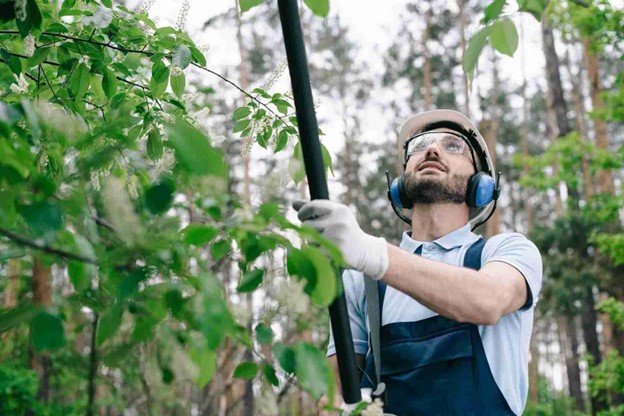
- Proper pruning: Removing dead or diseased branches, and shaping the tree for optimal health and aesthetics.
- Consistent, deep watering: Particularly important for young trees, ensuring they establish strong root systems.
- Mulching: Applying a 2-4 inch layer of mulch around the base of the tree, but ensuring it doesn’t touch the trunk directly.
- Soil management: Conducting soil tests, adding compost, and using targeted fertilizers to ensure your trees have the nutrients they need.
- Vigilant pest and disease inspection: Regularly checking your trees for signs of trouble, allowing for early intervention.
- Protecting from lawn equipment damage: Being careful when mowing or using other lawn equipment to avoid damaging the tree’s bark.
- Supporting young saplings: Using stakes or other supports to help young trees establish themselves.
Myth Busting & Common Controversies
- Myth: Trees don’t need pruning. (Reality: Pruning is vital for health, safety, and aesthetics.)
- Myth: Topping trees controls their size. (Reality: Topping is harmful, stresses the tree, and looks terrible.)
- Myth: All trees need the same care. (Reality: Different species have different needs.)
- Myth: Paint tree wounds to help them heal. (Reality: Often does more harm than good, trapping moisture.)
- Myth: Only prune in spring. (Reality: Timing varies greatly by species and purpose.)
Controversy Corner:
- Who’s responsible for ugly (but necessary) power line trimming? This often sparks debate between city authorities and power companies.
- Property line disputes: When your neighbor’s tree starts showing up in your yard (or foundation!).
- Are local authorities doing enough to maintain public trees? This is an ongoing concern in many communities.
A Journey Through Time: Arboriculture’s Ancient Roots
The idea of caring for trees for economic benefit isn’t some modern invention. It’s deeply rooted in human history.
From the Ancient Greeks and Romans, who meticulously pruned olive trees for optimal fruit production, to the Egyptians, who transplanted trees for their symbolic and practical value, humanity has long understood the link between tree health and economic prosperity. Medieval monasteries perfected grafting techniques, while historical records like the Domesday Book highlight the value of orchards in medieval England. The Industrial Revolution spurred the rise of urban forestry, as cities recognized the vital role trees played in public health and the urban environment.
The bottom line is clear: the economic benefits of tree care aren’t new; we’re simply better at quantifying and proving them with data today.
Branching Out: The High-Tech Future of Tree Care (More Savings Ahead!)
The future of tree care is being shaped by cutting-edge technology, promising even greater efficiency and savings.
- Smart Sensors: Imagine Fitbits for your trees! These sensors provide real-time data on soil moisture, temperature, and pest activity, allowing for proactive care, reduced waste, and fewer emergencies.
- Drones: Flying arborists! Drones equipped with high-resolution cameras can conduct detailed inspections, perform precision pruning, and deliver targeted treatments, reducing labor costs and increasing efficiency.
- AI & Machine Learning: These technologies are being used to predict diseases before they strike, optimize arborist routes, provide instant and accurate estimates, and identify the perfect pruning schedule for each tree.
- Biomechanical Support Systems: High-tech bracing systems are being developed to support urban trees and prevent costly structural failures.
These advancements promise even more precise, preventative, and affordable tree care, amplifying all the benefits we’ve already discussed.
The Root of the Matter: Invest Wisely, Grow Beautifully
In conclusion, regular tree maintenance isn’t a chore; it’s a strategic investment with an impressive return on investment. By embracing proactive tree care, you’re increasing property value, cutting energy bills, avoiding costly damages, and enhancing your quality of life.
So, don’t wait for a disaster to strike. Embrace proactive tree care, perhaps with the help of a certified arborist, and watch your savings (and your trees!) flourish. It’s an investment that will continue to pay dividends for years to come, enriching both your life and your bank account.